

Topics on this page

Regular Exams and Cleanings
Regular exams are an important part of maintaining your oral health. During your regular exam, we will:
- Check for any problems that you may not see or feel
- Look for cavities or any other signs of tooth decay
- Inspect your teeth and gums for gingivitis and signs of periodontal disease
- Perform a thorough teeth cleaning
Your regular exam will take about 45 minutes. Each regular exam includes a detailed teeth cleaning, in which we will clean, polish, and rinse your teeth to remove any tartar and plaque that have built up on the tooth's surface.
Visiting our office every six months gives you the chance to talk to the doctor about any questions you may have about your oral health. Regular exams are offered by appointment only, so please contact our practice today to schedule your next dental exam and teeth cleaning.
Bridges
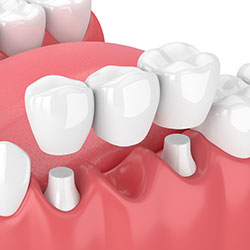 A bridge may be used to replace missing teeth, help maintain the shape of your face, and alleviate stress on your bite.
A bridge replaces missing teeth with artificial teeth, looks great, and literally bridges the gap where one or more teeth may have been. Your bridge can be made from gold, alloys, porcelain, or a combination of these materials and is bonded onto surrounding teeth for support.
The success of any bridge depends on its foundation: the other teeth, gums, or bone to which it is attached. Therefore, it’s very important to keep your existing teeth, gums, and jaw healthy and strong.
Crowns
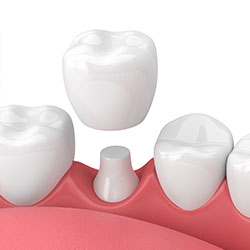 Crowns are a restorative procedure used to improve your tooth’s shape or to strengthen a tooth. Crowns are most often used for teeth that are broken, worn, or have portions destroyed by tooth decay.
A crown is a “cap” cemented onto an existing tooth that usually covers the portion of your tooth above the gum line. In effect, the crown becomes your tooth’s new outer surface. Crowns can be made of porcelain, metal, or both. Porcelain crowns are most often preferred because they mimic the translucency of natural teeth and are very strong.
Crowns or onlays (partial crowns) are needed when there is insufficient tooth strength remaining to hold a filling. Unlike fillings, which apply the restorative material directly into your mouth, a crown is fabricated away from your mouth.
Fillings
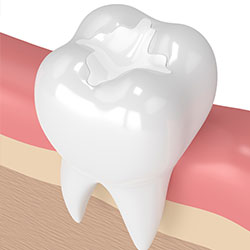 Traditional dental restoratives, or fillings, are most often made of silver amalgam.
Newer dental fillings include ceramic and plastic compounds that mimic the appearance of natural teeth. These are often used where a natural look is important.
There are two different kinds of fillings: direct and indirect. Direct fillings are placed in one visit, while indirect fillings may require multiple visits.
Fluoride
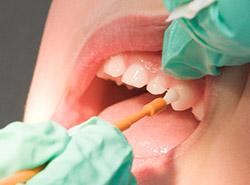 Fluoride is effective in preventing cavities and tooth decay.
A fluoride treatment takes just a few minutes and helps protect teeth from plaque buildup.
Implant Restoration
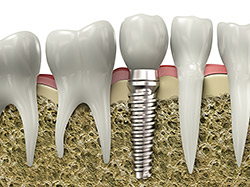 If you are missing teeth, implants are a durable and natural-looking replacement option.
Implants restore function and appearance while helping maintain jaw structure.
Mouthguards
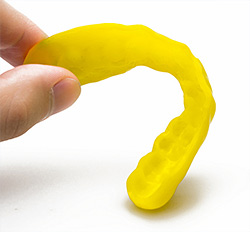 Mouthguards help protect your teeth and gums during sports.
They reduce the risk of injury and are recommended for contact activities.
Nightguards
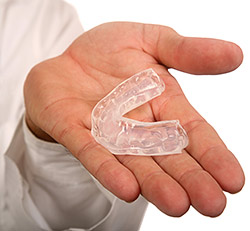 Nightguards help prevent damage caused by teeth grinding (bruxism).
They are custom-made to protect your teeth while you sleep.
Sealants
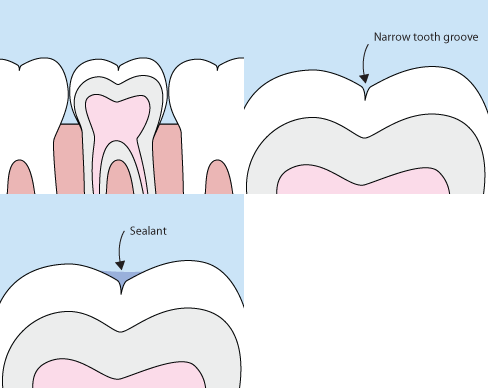 Sealants protect teeth from decay by covering grooves where plaque builds up.
They are commonly used as a preventive measure for both children and adults.
Veneers
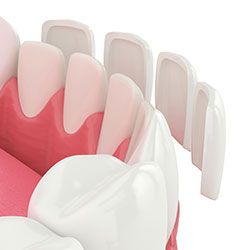 Veneers improve the appearance of teeth by covering imperfections like chips or stains.
They are thin, custom-made shells designed for a natural-looking smile.